2012 Grants of the Herman and Frieda Miller Foundation
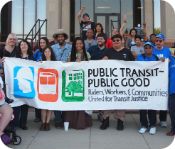 The major theme emerging from the 2012 grants of the Herman and Frieda Miller Foundation was public policy change through effective coalition organizing.
The series of political victories this year challenge the notion that it is difficult to evaluate advocacy and community organizing.
Illustrative advocacy wins include:
Worker Rights
MASSCOSH led advocacy effort of the REAL Campaign to Reform Employment Agency Law. The law will help protect temporary workers by requiring temp agencies to be more transparent. Staffing agencies are prohibited from charging registration and criminal record check fees, as well as from any other fee that would reduce a worker’s pay below the minimum wage. REAL members also include Miller grantees Brazilian Immigrant Center, Centro Presente, Chelsea Collaborative, Chinese Progressive Association, Community Labor United, Immigrant Worker Center Collaborative and Massachusetts Immigrant and Refugee Association.
On May 4th of 2012 Criminal Offender Record Information (CORI) reform went into effect. This legislation would not have passed in 2010 without an effective statewide coalition. Miller grantees, the Boston Workers Alliance and Neighbor to Neighbor were key leaders in the coalition and have been involved in ensuring that the law is being implemented effectively.
Community Development
Massachusetts Association of Community Development Corporations led a coalition successfully advocating for the Community Development Partnership Act. The law will increase funding for re-building neighborhoods and towns and provide greater economic opportunity for families and individuals across the state. MACDC predicts that over the seven years, a state investment of $34.5 million will support an economic impact of approximately $2 billion across the Commonwealth.
Health Care
Greater Boston Interfaith Organization and others formed a Prevention Trust Coalition to address health care cost containment. On August 6, 2012, the Governor signed into law cost containment legislation that set aside $60 million over a period of four years for a Public Health Trust. The bill, which could become a model for other states, aims to save $200 billion over the next 15 years by linking health care cost increases to the growth of the state’s economy.
Massachusetts Immigration and Refugee Advocacy Association’s advocacy informed the Massachusetts Supreme Judicial Court decision ordering reinstatement of 34,700 “aliens with special status” (AWSS) into the state’s Commonwealth Care insurance program. Health Law Advocates won this landmark legal victory on behalf of the class that sued the Commonwealth when state budget cuts included removing special status immigrants from the Commonwealth Care program.
Public Health
Youth organizers from Hyde Square Task Force collaborated with Inquilinos Boricuas en Accion to reduce the accessibility of flavored tobacco products to youth. Boston’s Board of Health passed a new regulation “that will restrict the sale of electronic cigarettes to those 18 and over, and require a permit to sell the product.” Additionally, Boston’s new tobacco control policies prohibit the sale of loose mini cigars or cigarillos, requiring them to be sold minimally in a package of five.
Workforce Development
The Youth Jobs Coalition in collaboration with the Massachusetts Community Action Network helped get $3.75 million in new funding for youth jobs programs.
Electoral Politics
MassVOTE worked with Oiste, the Chinese Progressive Association, and several other organizations in a campaign to help communities advocate for more logical political boundaries. The number of State House Districts where people of color make up the majority doubled from 10 to 20. The number of similar State Senate districts increased from 2 to 3.
Civil Rights
Boston Association of Gay, Lesbian, and Transgender Youth along with the Massachusetts Transgender Advocacy Coalition were the lead organizations supporting the passage of Transgender Equal Rights law will give transgender people equal protections when seeking employment, housing, credit, and education.
Immigration
President Obama’s ruling to stop deporting DREAM Act-eligible people – as many as 1.5 million and arrange to provide work permits for them was a victory for immigration reform activists. While we would not attribute the advocacy of Massachusetts Immigration and Refugee Association or Student Immigrant Movement to this victory, there is general consensus that the collective political pressure from similar groups in many key states pushed the President, to take action on immigration policy.
Environment
East Boston’s Chelsea Creek Action Group’s youth organizers worked with the Charles River Watershed Association on the redesign of Central Square, successfully advocating to City planners to incorporate green storm water design elements and infrastructure to support active transportation as a model of Boston’s new “Complete Streets” policy.
To read the full grants list, click here.


